

The decorated co-driver opens up in an exclusive interview with MARCA in Cuenca
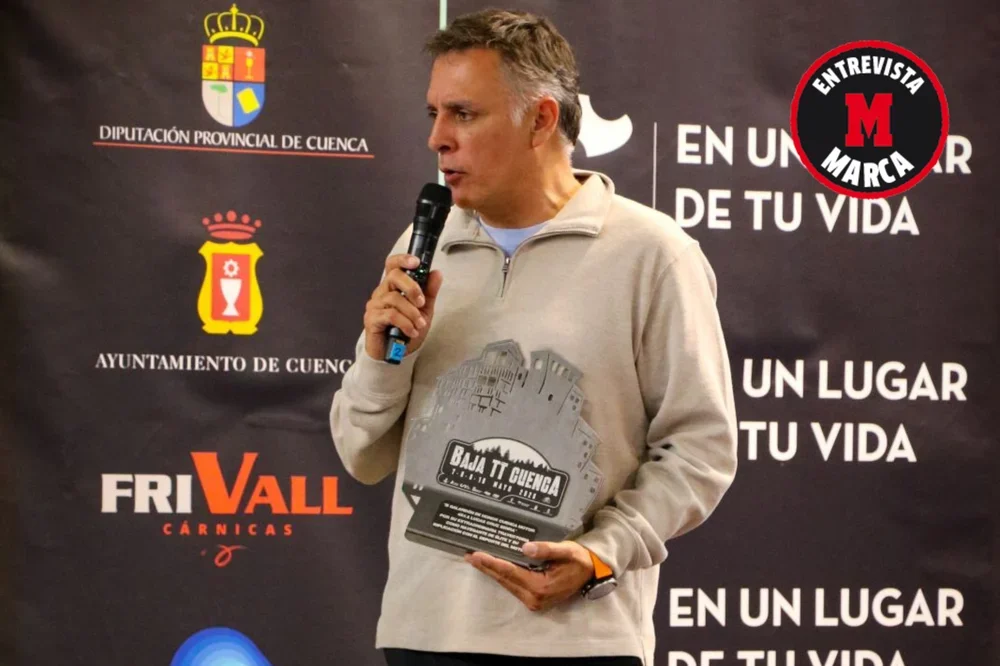
Lucas Cruz receives the 2026 Honorary Award at the Baja TT Cuenca.
He has participated in 19 editions of the Dakar Rally, winning four as co-driver for Carlos Sainz, making history as the first duo to claim four Touareg trophies with four different manufacturers: Volkswagen, Peugeot, Mini, and Audi. Considered one of the best navigators in the world’s toughest rally, Lucas Cruz was honored with the III Cuenca 2026 Award of Honor, recognizing his outstanding career and dedication to the sport. MARCA spoke with him after the ceremony.
Q: How did you receive this recognition?
A: Very happy. It’s an iconic race in the Spanish Championship, and this year also part of the European Championship. Having competed here many years ago, it’s thrilling to be surrounded by lifelong friends.
Q: What must a co-driver keep in mind when tackling a rally like the Dakar?
A: Mentally prepare for suffering. You’ll face tough situations and feel tempted to give up, thinking it’s all lost. But it’s the opposite. It’s a race of endurance, fighting against the clock and, above all, fighting your own mind—which is often the hardest part.
The Dakar means fighting against your mind, which is often the toughest challenge.
— Lucas Cruz
Q: Navigation and strategy are key in a rally like the Dakar. Is the co-driver’s role valued enough?
A: I take satisfaction in doing things right and being happy with them. Races are like life: sometimes they go well, sometimes not. You learn from mistakes to improve next time, but in the end, the race is what it is.
Q: How do you approach a 15-day rally like the Dakar?
A: You have very little information—just small hints from the organization and scattered data, much of it misleading. You try to gather as much as possible to locate yourself and know what to expect. From there, you set a rough strategy. If the next day is a sandy stage, you don’t want to start first and open the track; you hold back to start later and then recover. These are initial plans, but you adjust them as the days go by.
In the Dakar, the problem is if you fall asleep.
— Lucas Cruz
Q: Speed, caution in the early stages, strategy, or a mix of everything?
A: The key is you can’t fall asleep. The Dakar is a race; if you have an off day, you lose a lot of time that’s hard to make up. But so many things happen that finding a good rhythm early isn’t a bad choice. You build confidence and reduce mistakes.
Q: Do you follow the road book to the letter, or does experience play a major role in interpreting it?
A: You have to follow it—otherwise, you don’t know where you’re going. Experience helps a lot with navigation, especially in dunes. You can cover a few extra meters to bypass tricky areas.
The Dakar has changed a lot; now it’s closer to a rally than when it was an African adventure.
— Lucas Cruz
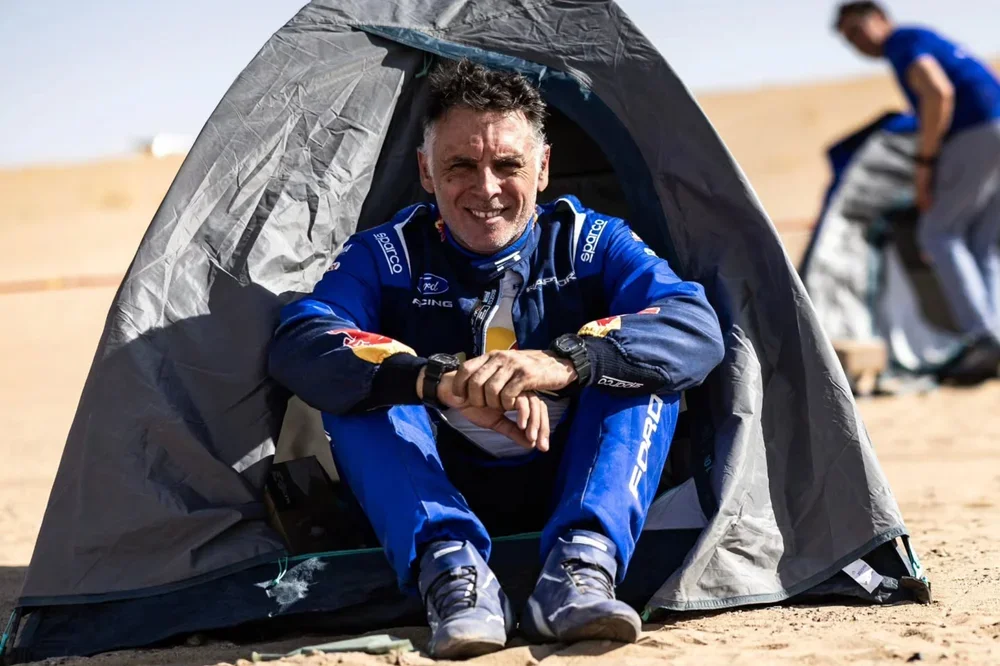
Lucas Cruz.
Q: What has changed in the Dakar over these 19 years?
A: A lot. I started in Africa with a desire to explore the world. But it has evolved—the cars were much weaker compared to today’s, though they covered more kilometers. The level of competition and technology has increased significantly.
